HOW TO CARE FOR YOUR CLOTHES AND MAKE THEM LOOK GOOD FOR LONGER
As we enter the last days of September, I bet a few of you will be reaching for your knitwear again. As much as I love summer and strappy dresses, returning to cosy knits always feels lovely. The biannual wardrobe switchover looms close; it’s getting darker much faster and evenings now have a pleasant chill in the air. For some, this is a sign to start shopping for the new season, but I think your first step should be caring for the things you already own.
Fast fashion has created a ‘wear once and throw away’ cycle that encourages shopping for new items instead of caring for the things you own, and therefore extending their longevity. This is at odds with our Better Living philosophy and with what’s good for the planet and your wallet too. That’s why today we’re talking all about the best way to care for your clothes and to make them look good for longer.
How To Care For Knitwear
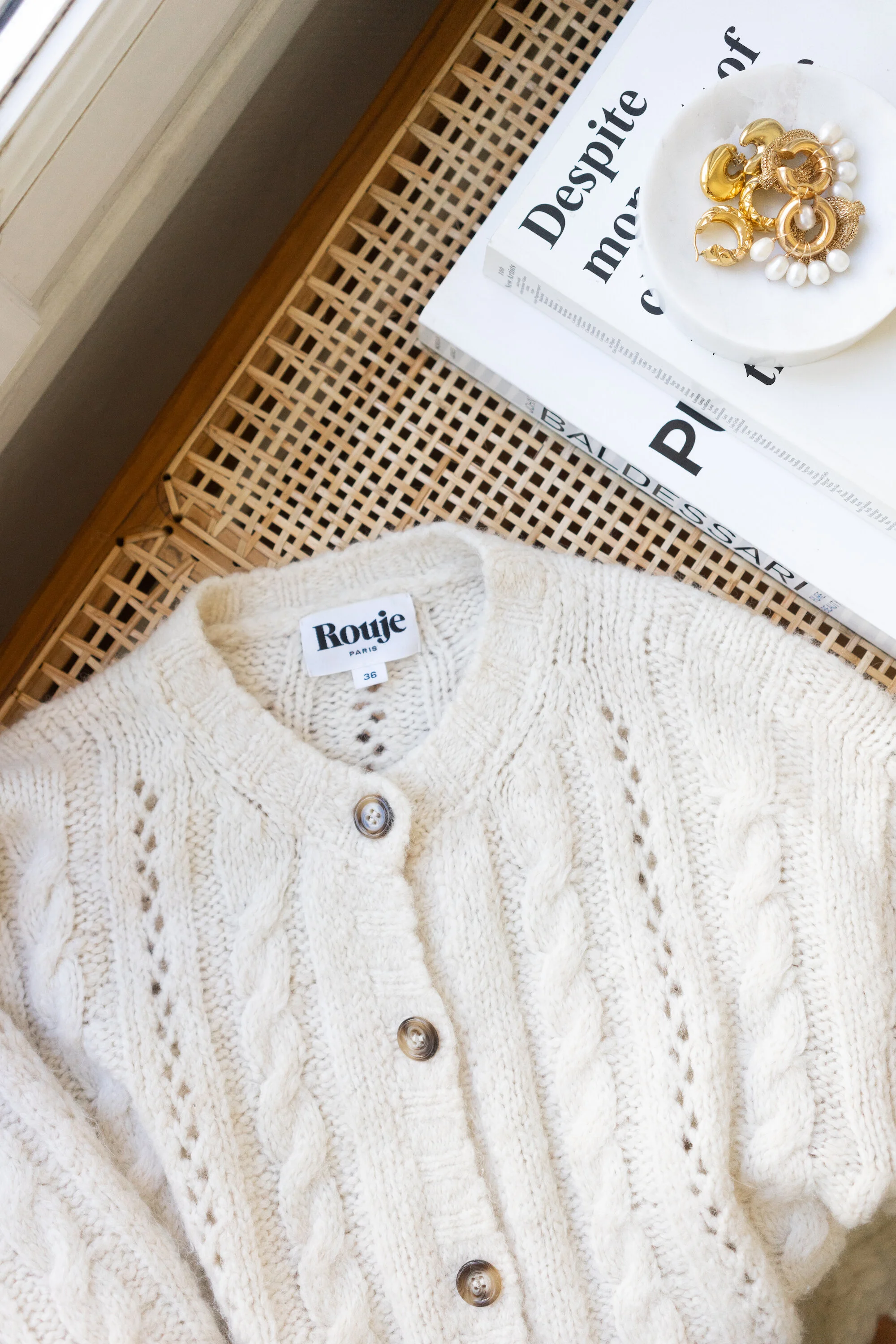
It’s one of my favourite categories of clothes to wear once the seasons switch. I tend to look for pieces with natural fibres, like wool and cashmere, which tend to cost more, but it also means that they stay looking good for longer, with a little bit of time investment.
Don’t hang your knitwear. It may be tempting to have all your knitted pieces neatly hung up, but you’ll stretch them out over time and misshapen jumpers just don’t look good. Fold them and store in a drawer, at the bottom of the wardrobe or if you have the space, in dedicated shelving.
Because natural fibres are attractive to moths, I like to add cedar blocks in the hopes of deterring them; once the natural fragrance dissipates, you can refresh them with cedar or lavender essential oils, or by sanding them down lightly with some sand paper to reactivate the fragrance. Simply add a few drops to each piece of wood and wait for it to absorb. Never let the cedar wood touch your clothing as it can leave an oil stain. This is an inexpensive trick to give you peace of mind and to scent your drawers and wardrobe too. Alternatively, use this cedar-scented Wool and Cashmere Spray from The Laundress for minimal fuss.
Shop UK and EU

Bobbles on knitwear are unavoidable and while one or two are inevitable, a bobbled cardigan or jumper is the opposite of chic. If you’re as annoyed by bobbles as me, I strongly advise you to invest in a fabric shaver. The one from Steamery is endlessly chic (never thought I’d find a fabric shaver chic!), while the Philips one will do a similar job for less.It only takes a couple of minutes to go through your knitwear (cotton and linen too) and remove any unsightly bits, ensuring that your jumpers and cardigans look good season after season.
Washing knitwear is a tricky one. First, always read the care label and try to follow the instructions. If it says dry clean only and you’ve spent a fair amount on your knit, then entrust your dry-cleaner entirely. Otherise, proceed with caution and a hand-wash to start. I like to use a fabric-specific detergent, in this case Wool and Cashmere Shampoo, and lukewarm water, which I find does the job well and leaves my knits beautifully scented. For machine washing, always use a mesh bag to protect your items, selecting a delicate or wool setting and double checking that it’s a cool wash. Skip the tumble drying and lay your knitwear flat after washing, so it can dry without losing its shape.
Shop USA
How To Care For Silk
Silk is a fantastic fabric; it feels luxurious on the skin and it’s more breathable than cotton, making it ideal for summer as well as layering. Washing silk, on the other hand, can be a nightmare. I would once again urge you to read the label and entrust a dry-cleaner when you’re unsure. Otherwise, grab an aforementioned mesh bag (important for particularly delicate items) and a dedicated detergent (Steamery have a rose and musk scented one), using a delicate, cool cycle on your machine. I prefer a hand wash with the same detergent, never soaking my silks for longer than thirty minutes. Silk also prefers to dry while flat and you’ll minimise creasing that way.
Ironing silk (ironing in general) is not my idea of fun, so a handheld steamer is what I reach for. It’s easy to use and you can be sure you’re never going to burn a hole through your shirt while distracted by a Youtube video. I can’t ask for much else.
How To Care For Denim
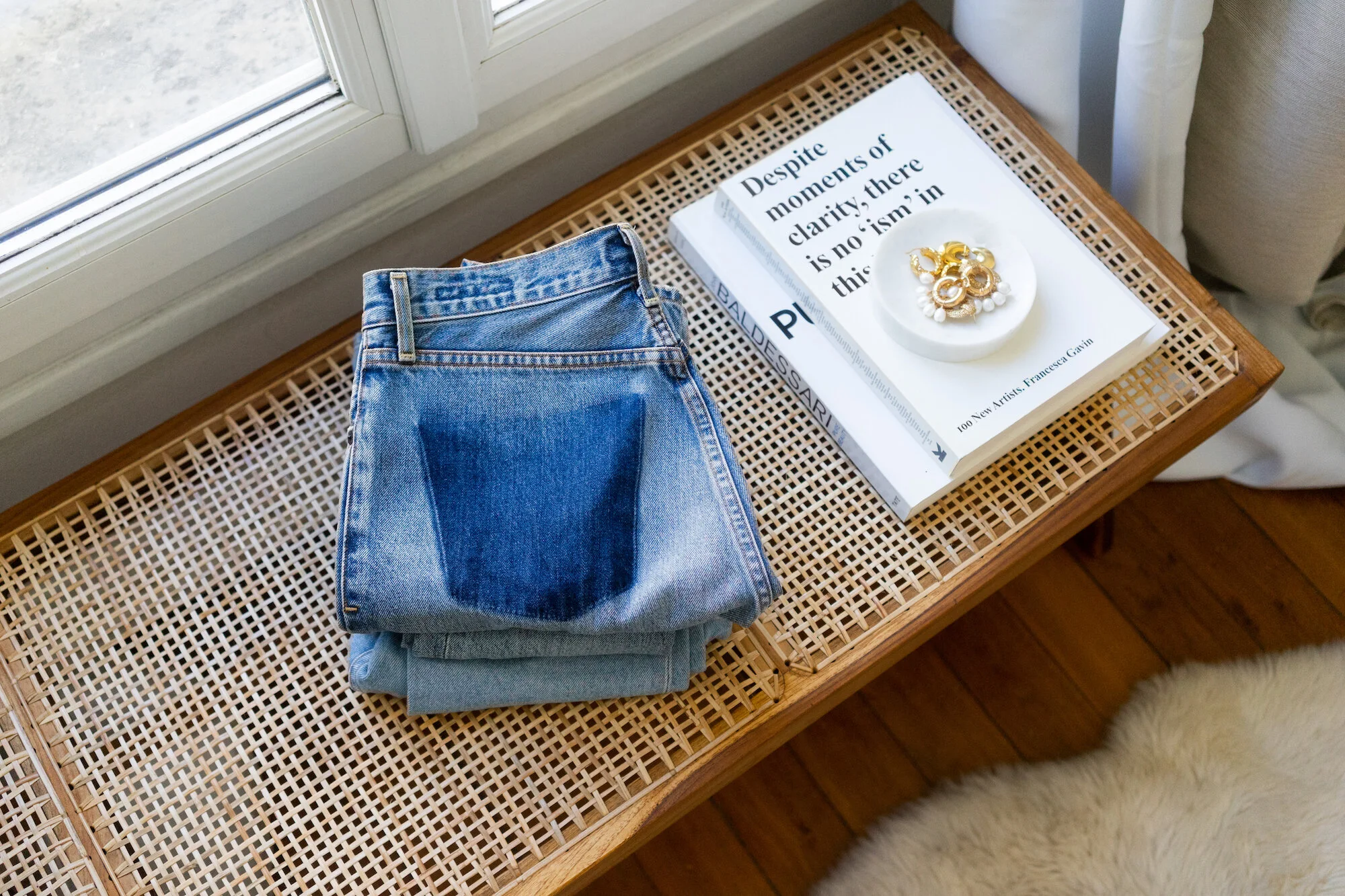
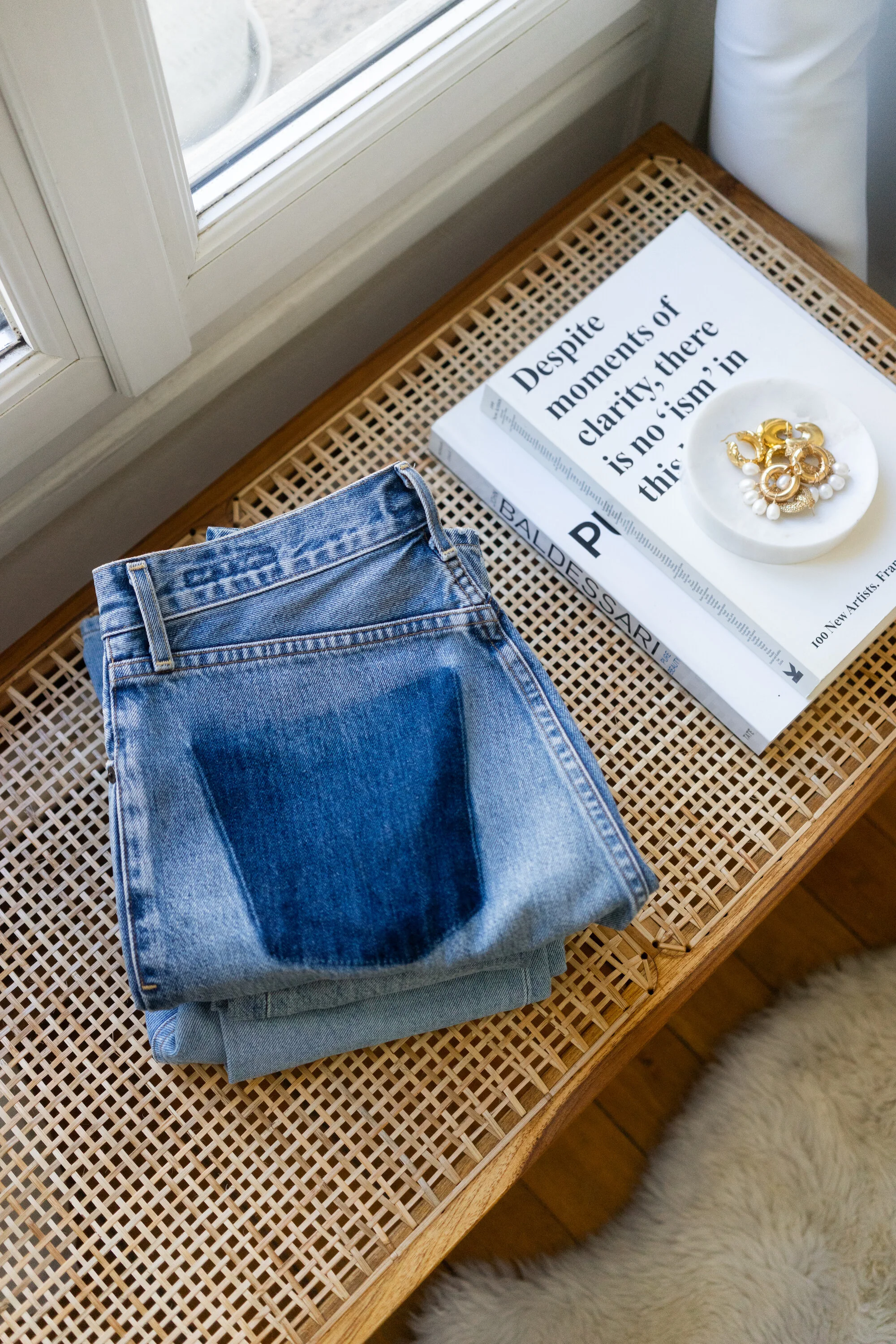
To keep denim looking great and to help it retain its shape, denim experts advise not washing them too frequently. For denim that’s clean bar a small stain, spot-treat the stain directly with some water and a touch of washing up liquid. When it’s time for them to go into the washing machine, turn them inside out first (you’ll be protecting the seams, pockets, and colour) choosing a cool wash and a detergent without bleach. You can buy a dedicated denim detergent, but I don’t think it’s a necessity. Try to skip tumble-drying if you can unless your pair has expanded after too much wear and need shrinking a little.
How To Care For Sportswear
It’s only recently that I learnt how to care for gym clothes properly. Turns out, fabric softener (conditioner) has a detrimental effect on stretchy fabric, creating a coating that can trap bad smells. Not exactly ideal when you’ve been sweating at the gym in them. You should wash your gym items inside out; one, to prevent colours fading, and two, to get at the side that’s in contact with your skin easier. Again, choose a cooler wash and you can try a dedicated Sport Wash too.
General Clothing Care
The washing machine is one of the best household inventions, but running your clothes through it too often is detrimental to the fabric and shape of your clothes and, if you’re washing a lot of synthetics, to the environment too. A lot of the time it’s easier to spot-treat a stain as soon as it catches your eye, instead of waiting to run the piece of clothing through the machine.
To keep clothes looking and smelling fresh I like to use a refresher spray, either a DIY version or one by The Laundress. It’s not a magic potion by any means, but a way to keep your clothes fresh for longer. I like to hang what I’ve worn on a hanger, give it a few spritzes and return it back to my wardrobe. For a DIY version of the spray, try this customisable recipe by The Spruce; keep in mind that badly diluted essential oils can leave stains, so proceed with caution.
Finally, learn a few basic sewing skills. Reattaching a button or touching up a seam isn’t hard (Youtube is great for tutorials obviously) and you’ll feel great knowing that you’re getting the wear out of your clothes that you paid for.
Words by Zhenya Tsenzharyk.